Tropical Trouble Font: A Polished Touch for Your Brand
There I was, sitting at my kitchen table with a cup of coffee and a stack of product labels in front of me. My little candle business had just hit its first year milestone, and it was time to refresh the branding. I wanted something that felt warm, inviting, and just a bit exotic—something that could reflect the natural ingredients and the tropical-inspired scents I used. That’s when I stumbled upon Tropical Trouble, a hand-lettered sans serif font that immediately caught my eye.
What Is Tropical Trouble?
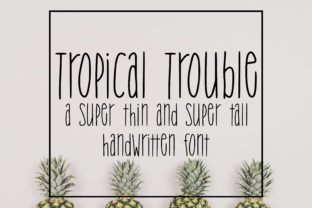
Tropical Trouble is a creative typeface that blends the charm of hand lettering with the clean structure of a sans serif font. It’s super tall and skinny, which gives it a unique presence on the page or screen. The letters have a playful yet professional feel, making it perfect for businesses that want to stand out without sacrificing readability. Its personality is vibrant and approachable, ideal for brands that are fun, fresh, and full of character.
Style and Visual Character
The font has a whimsical flair but still maintains enough structure to be taken seriously. Each letter feels like it was carefully crafted by hand, giving your designs a personal touch. At the same time, the consistent spacing and vertical emphasis help maintain clarity—even in smaller sizes. This balance makes it a versatile choice for both digital and print applications.
A Real-World Test: Candle Labels and Beyond
I decided to use Tropical Trouble for my candle jar labels. Before this update, my labels were simple and functional, but they lacked a signature look. After testing a few fonts, Tropical Trouble stood out as the one that best represented the essence of my brand. The tall, narrow characters made the label pop against the glass, and the hand-lettered style added warmth and authenticity.
But the benefits didn’t stop there. I also used it for my packaging inserts and social media templates. The result? A more cohesive brand identity. Customers started recognizing the font from my Instagram posts to the box they received their candles in. That kind of visual consistency builds trust and familiarity—two key elements of a strong brand.
When to Use Tropical Trouble in Branding
This font shines in several areas:
- Logo Design: Perfect for a bold, modern logo with a hint of creativity. Just make sure to pair it with a solid secondary font for legibility in supporting text.
- Product Labels: Especially effective on slim containers or boxes where a traditional font might get lost. Its height and slenderness make it easy to read and visually engaging.
- Packaging Titles: If you’re using it for headlines or titles, Tropical Trouble adds an instant sense of energy and style.
- Thank-you Cards and Stickers: Its friendly, expressive nature works well for short phrases and decorative accents.
- Social Media Graphics: From Instagram banners to promotional posts, it brings a lively edge that stands out in feeds.
- Menus and Flyers: Works great for display text in editorial design or as a header in printed materials.
Typography Tips for Small Business Owners
As someone who juggles branding and design on the side, I know how easy it is to overlook typography. But choosing the right font can make all the difference in how customers perceive your brand. Let’s break down a few considerations when working with Tropical Trouble:
First Impressions Matter
Your audience will form an opinion about your brand within seconds. Typography plays a huge role in that. A premium font like Tropical Trouble can instantly elevate your look from “amateur” to “professional.” It conveys care and attention to detail, which is especially important for handmade or artisanal products.
Readability Across Formats
Because it’s a display font, Tropical Trouble is best suited for headlines, logos, and short bursts of text. When using it on small labels or mobile screens, test different weights and sizes to ensure legibility. You don’t want your message to be lost because the font looks too delicate at a certain size.
Font Pairing Ideas
To keep things balanced, I paired Tropical Trouble with a clean sans serif font for body text. This helped maintain readability while allowing the main title to take center stage. For a more elegant look, you could try pairing it with a soft serif font for taglines or descriptions. If you want to go all-in on the handcrafted vibe, a complementary script or handwritten font could work for signatures or call-to-action phrases.
Designing with Purpose
Let me give you another example. A local café owner I worked with was looking to redesign their menu board. They wanted something that felt modern but still welcoming. We tested a few fonts and ultimately chose Tropical Trouble for the section headers. It gave the menu a fresh, energetic feel while keeping the layout clean and easy to follow. The staff loved it, and customers found it easier to navigate.
We also used it on their seasonal drink posters. Because of the font’s vertical emphasis, it fit perfectly into narrow signage and even small social media thumbnails. It’s always exciting to see how one font can transform multiple aspects of a brand’s visual language.
Brand Perception Through Type
Fonts influence how people see your brand. A modern sans serif like Tropical Trouble suggests innovation and simplicity. But the hand-lettered aspect adds a human touch, which can make your brand feel more authentic and relatable. That duality is powerful for small businesses trying to build a memorable identity.
Practical Considerations for Commercial Use
Before finalizing any font for your branding, it’s important to check what styles and formats are included. Does the font offer alternates or ligatures that add variety? Are there different weights for contrast? With Tropical Trouble, I was happy to find that it came with a range of options suitable for most customer-facing needs. Plus, the multilingual support made it possible to expand our packaging to new markets without compromising design quality.
Also, don’t forget to review the commercial licensing agreement. Some fonts require attribution or have restrictions on merchandise or digital downloads. Make sure you’re comfortable with the terms before using it across your brand assets.
From Mockup to Market
One thing I learned through trial and error is that not every font translates well from a computer screen to physical packaging. Tropical Trouble, however, held up beautifully. Whether we were creating mockups for an online shop or printing direct-to-box labels, the font maintained its clarity and charm. On web banners and Instagram stories, it looked crisp and inviting, helping drive engagement with our latest collection.
For businesses like yours, the goal isn’t just to look good—it’s to communicate effectively. And a font that helps you do that consistently across platforms is worth every consideration.
Why Trust Matters in Branding
Trust is built through details. Clean lines, consistent colors, and readable typography all contribute to a trustworthy brand image. While Tropical Trouble isn’t a standard office font, it does bring a level of polish that says, “We care about how we present ourselves.” That subtle confidence can resonate with customers and encourage them to choose your products over others.
Just remember to use it wisely. Too much of a good thing can be overwhelming. Stick to headlines, logos, and key messaging to avoid cluttering your designs. Keep the rest of your text in a neutral, easy-to-read companion font.
Final Notes on Making It Work
If you’re looking for a font that adds flair without being flashy, Tropical Trouble could be a great addition to your design toolkit. It’s not just about aesthetics—it’s about creating a brand that feels intentional and cohesive. As a small business owner, I’ve seen firsthand how thoughtful design choices can set you apart in a crowded market.
So next time you’re updating your product visuals, refreshing your website, or designing a new flyer, consider how a font like Tropical Trouble can help tell your brand story better. It’s not just a typeface—it’s a part of your identity.